Graduation projects
Public Life Studies in the Aftermath of the Digital Revolution
Principal author
Radu BecuşProject year
2017Location
Cluj-Napoca, România.Learning institution
Facultatea de Arhitectură şi Urbanism, Universitatea Tehnică Cluj-NapocaProject description
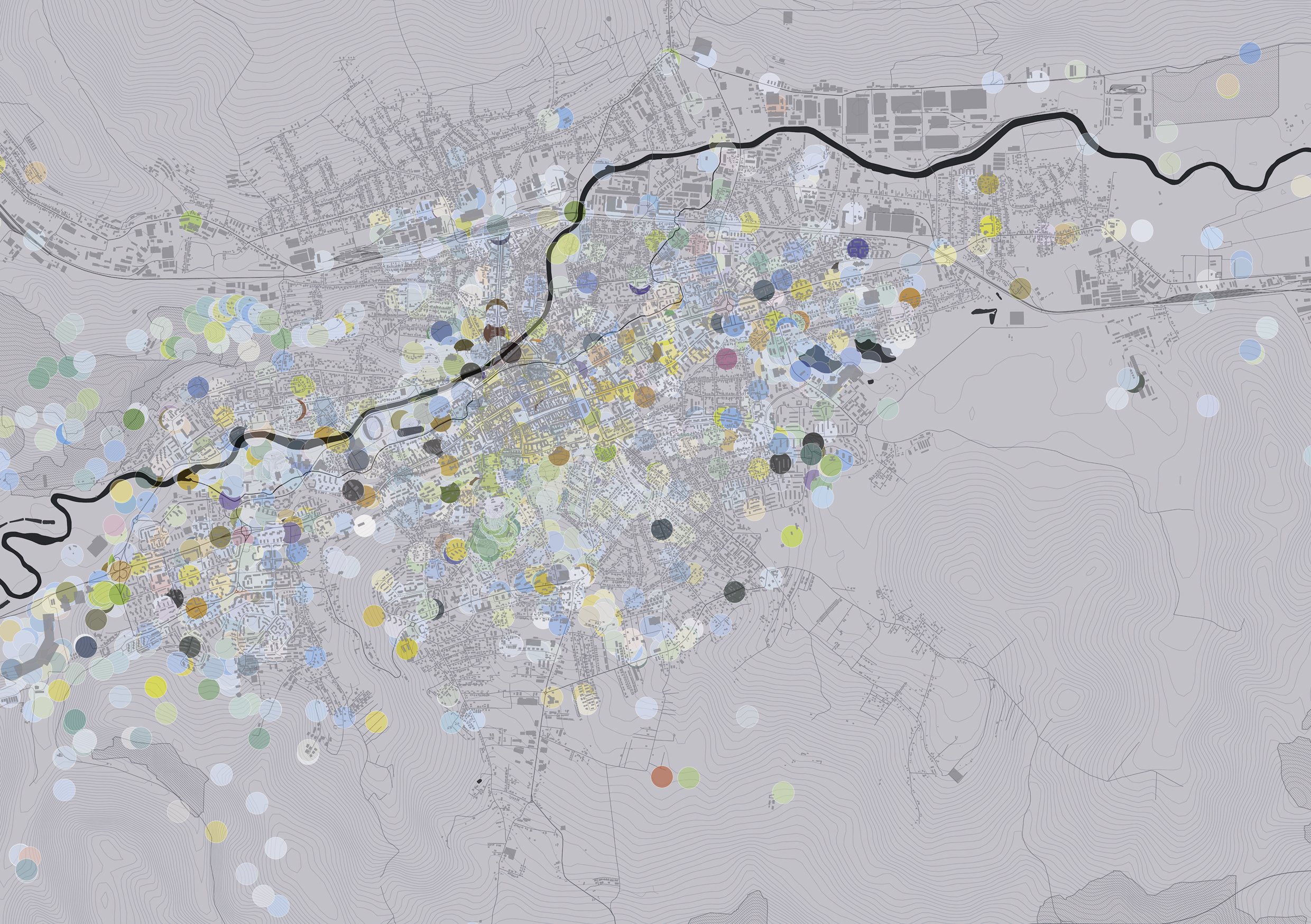
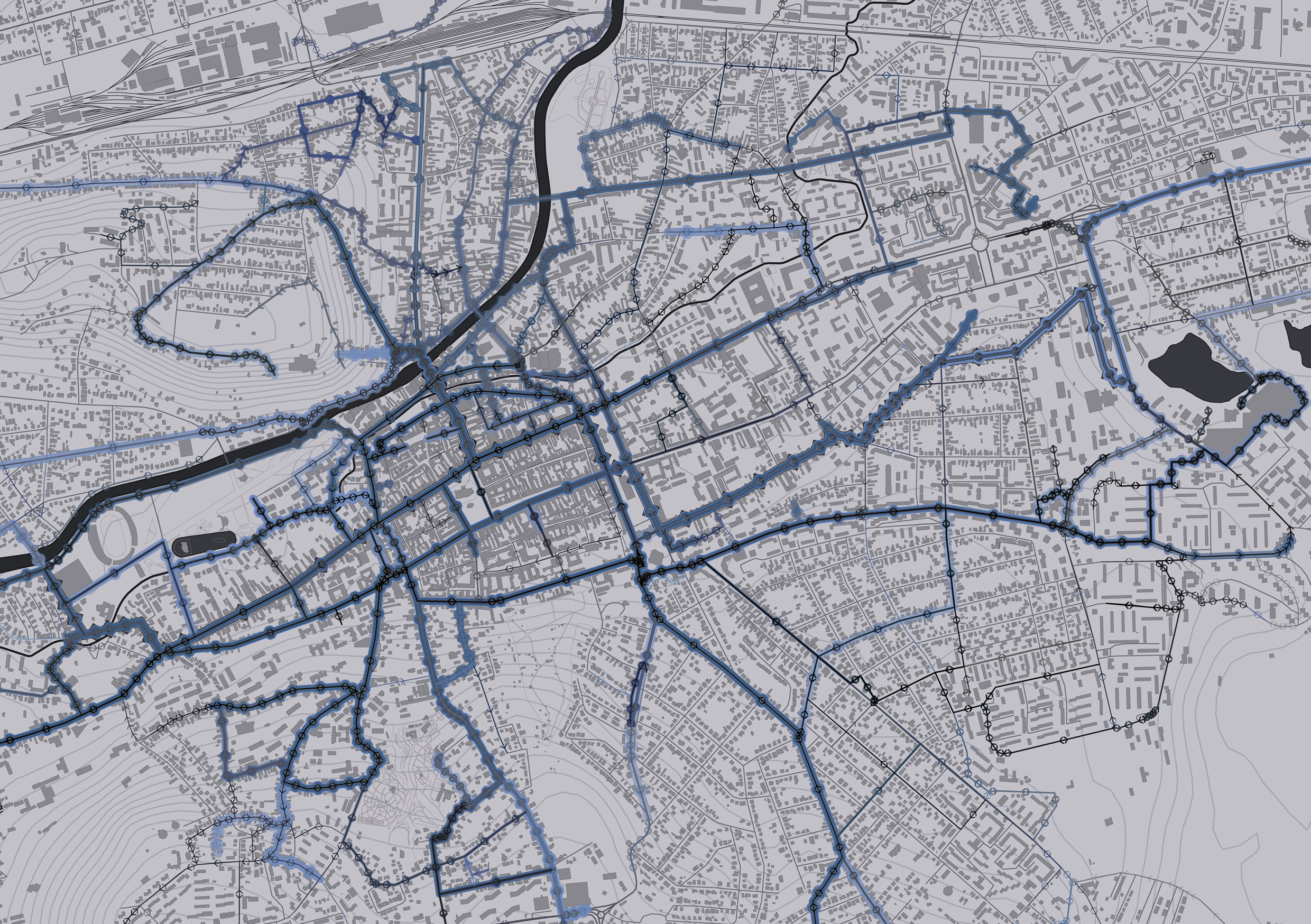
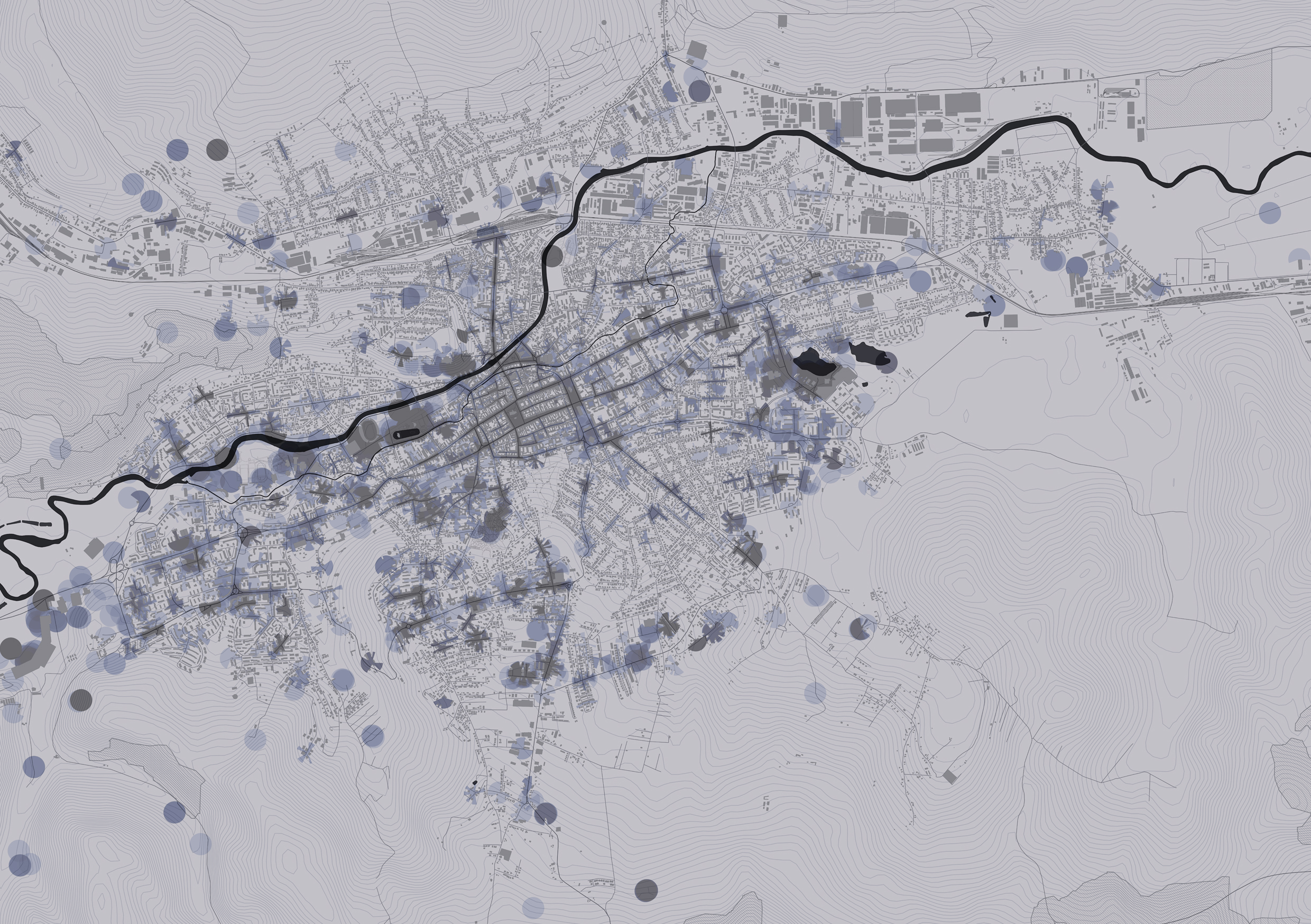
The project seeks to highlight social media data, pertaining to people’s individual movement within urban space, as a valuable resource within the field of urban analysis. We are currently witnessing the start of the fourth industrial revolution, built upon the digital and automation infrastructure of the previous one. The exponential nature of the technological evolution taking place is unprecedented in human history. The information systems of the current industrial revolution are merging with the built environment, the means of production, the means of communication, the means of transport, the means of governing of the previous one. What we see emerging from the process is one ubiquitous ecosystem. Social media data has the capacity to successfully describe the movement economies within cities, as well as having an enormous potential for uncovering emergent patterns and non-discursive properties of urban space, such as they are described in Bill Hillier’s Space Syntax. Essential to the present project is the belief that architects’ involvement within the evolution of these new information systems is of utmost importance to the healthy development of urban space. This involvement becomes even more important when taking into consideration the overwhelming presence of private sector actors within the process of adapting public space to a new technological stage, with projects such as “Smart Cities”. The project was realized using Grasshopper3D’s visual programming language for the NURBS-based modelling program Rhinoceros 3D. Data was harvested using the Mosquito add-in for Grasshopper and Chorus Tweetcatcher. Mapping data was extracted from OpenStreetMap.org. The data utilized was limited to that shared and made public by Twitter and Flickr users, which was extracted using the sites’ application programming interfaces. Only data with GPS coordinates were analyzed.Text description of the author
I graduated at Cluj-Napoca’s Faculty of Architecture and Urban Planning in 2017, where I was heavily involved in the institute’s student association, A.St.A. Cluj. I started working with social media data, as an urban analysis tool, during my time there, initially on an exhibition during Architecture Days 2015 under the name “Cluj Geoweb”. After graduation I have worked for Aarhus School of Architecture and Odico Formwork Robotics on Experiment R or Opticut, a topology optimized reinforced concrete structure which was inaugurated this July. I have a keen interest in sociology and urbanism and would like to further explore the potential social media data has for analysing and quantifying non-discursivity.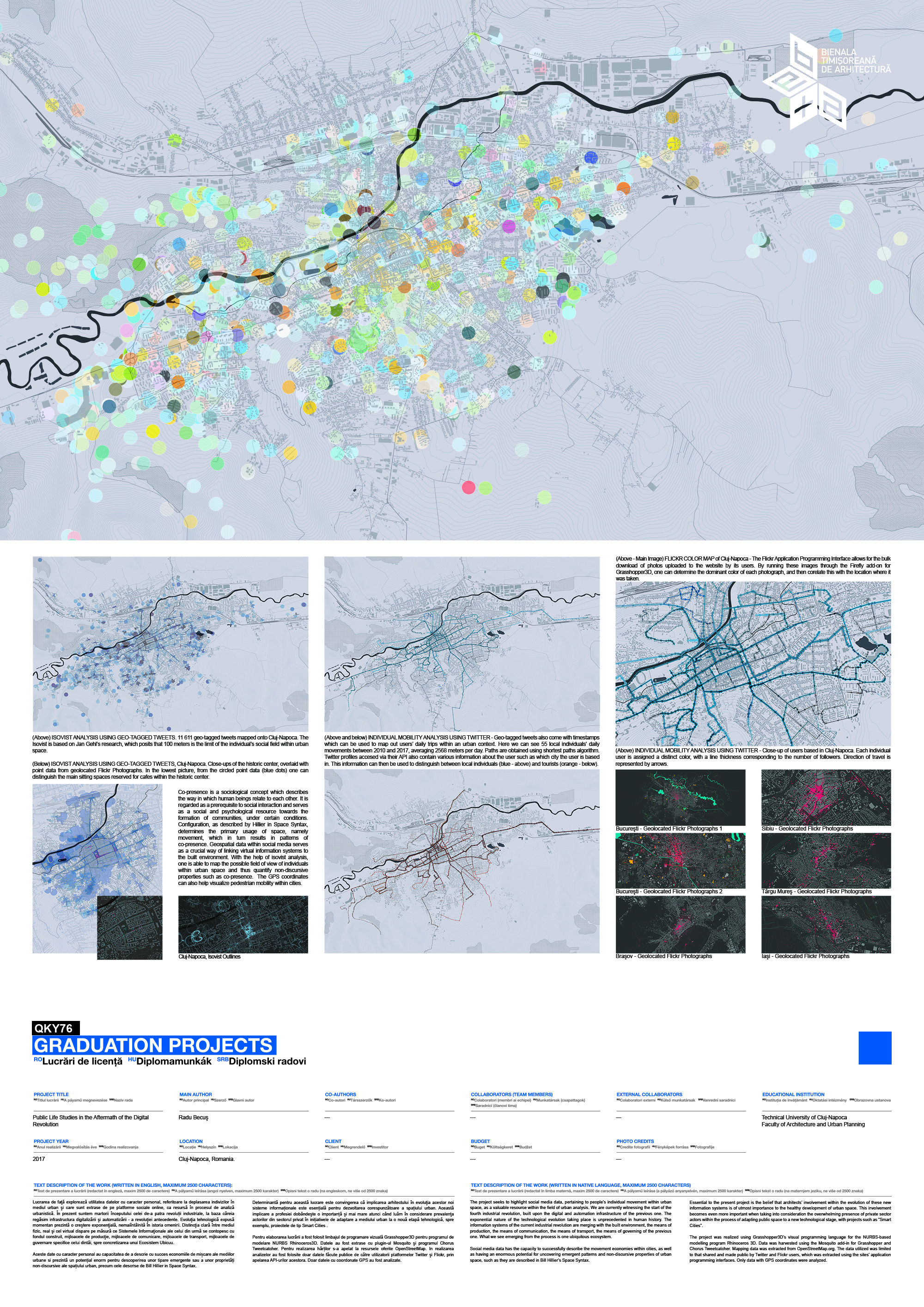
Download
Project