Graduation projects
Lighting Master Plan for the city of Timisoara - CCE 2021
Principal author
Popa Adela PetraExternal collaborators
Alexandra MaierProject year
2017Location
TimisoaraLearning institution
Polytechnic University of TimisoaraProject description
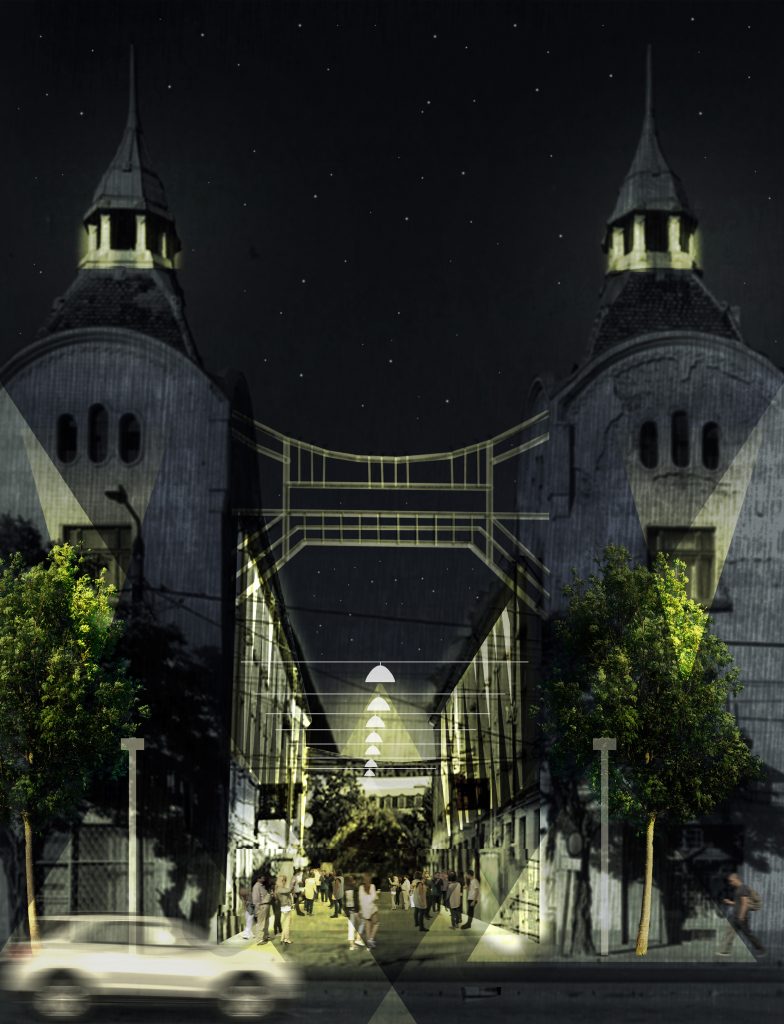
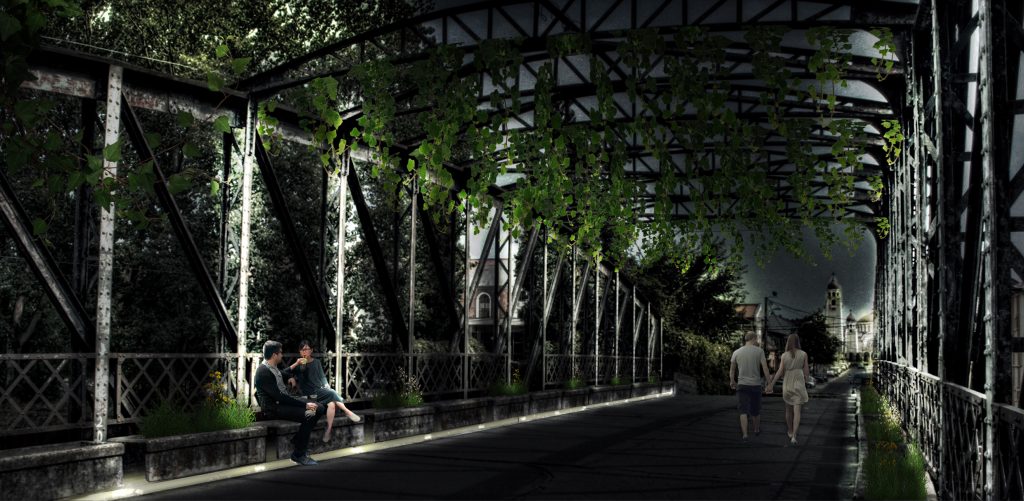
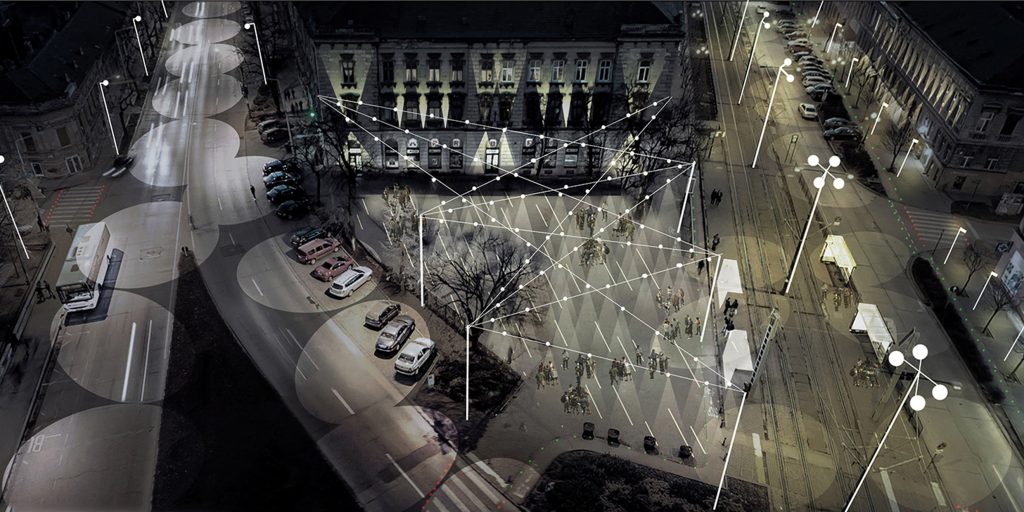
Whether it is perceived for safety, economical or environmental reasons, light in the cities is created for people and their needs, only after that these needs can interfere with the needs of the city as a whole, thus in 1884 Timişoara became the first electric lighting town in Europe. For Timisoara to become a city that integrates cultural, social, historical and architectural diversity, along with everything that is contemporary, it has been proposed a macro strategy for the realization of a Lighting Master Plan. This was developed as a result after a critical analysis of the city of Timisoara and was used as a tool that leads to a sustainable lighting control, while encompassing the aesthetic side. Thus, were used four types of environment applicable to a general scale which are meant to unify the components of the city: the functional ambience dedicated to the street lighting (4000K); convivial ambience, dedicated to the pedestrian lighting (3000-3500K); the discreet ambience dedicated to vegetation lighting (3500-5000K) and the dynamic ambience, dedicated to architectural lighting (3000-4000K). With the help of LED technology, an intelligent controlled method of lighting has been implemented, with a separate network for festive lighting. Thus, each type of environment differs in color and intensity of the light, in the luminaire gripping system and in the lamp dimming methodology. The motivation for choosing Iosefin district is represented by the complexity of functional, spatial, architectural and social spaces founded in this area together with the opportunities that this neighborhood can offer. The micro strategy has been aimed at increasing the quality of life in 5 areas inside the Iosefin district by capitalizing on the existing, social interaction and protecting the environment (dynamic, convivial and discreet ambience); increasing the quality of the public space in the neighborhood by reconstituting the neighborhood with the surroundings and capitalizing on the existing spaces (dynamic, convivial and functional ambience); Improving the level of night work, implicitly of the economy at night. The "Night time economy" concept encompasses all types of environment in such a way as to allow economic development after the usual hours of work and is based on the fact that cities are increasingly active overnight, becoming "24/7" active cities.Text description of the author
Petra Popa Adela graduated the Faculty of Architecture at the Polytechnic University of Timisoara 2017, presenting her graduation paper entitled "Lighting Master Plan for Timisoara - European Capital of Culture 2021". In 2015-2016 she studied at Escuela Tecnica Superior de Arquitectura at the University of Sevilla (Spain), earning Spanish language skills, level B2. She is currently studying French for Level B1 and working at City Plan Studio in Timisoara. She also collaborates with the architectural office "Alarife Arquitectos" from Spain, for which she worked for 4 months in a post-graduate internship, attending architectural competitions and projects from the Spanish firm. For a better and continuous professional development, Popa Adela Petra also has an online platform with graphic illustrations from the projects she works for.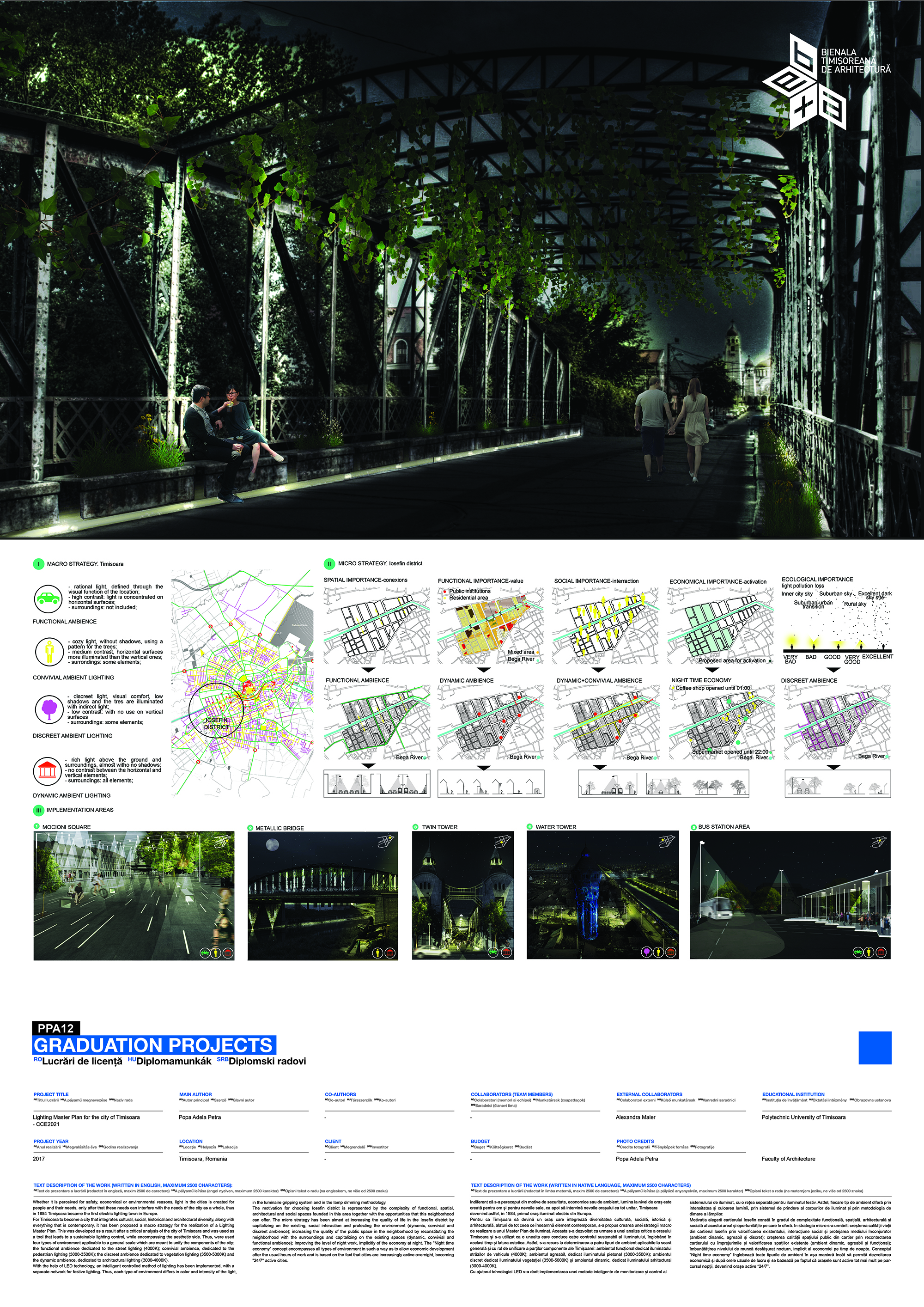
Download
Project