Initiatives / Experiments / Visions
Anina Mine of Ideas
Principal author
Oana Țiganea, Gabriela PașcuProfession
arhitecțiCo-authors (team members)
Ovidiu Micșa, Marius BarbieriArchitecture office
Asociația pentru Patrimoniu Activ - PACTCollaborators (team members)
urb. Alexandru Damian, urb. Laura Damian, arh.Adrian Dumitru, arh. Mihai Veg, arh. urb. Irina Rotaru, sociolog Simona Zărnescu, arheolog Călin ŞuteuExternal collaborators
dr. arh. Irina Iamandescu, conf. dr. ing. Mioriţa Ungureanu, dr. ing. Francesco Carlo Toso, dr. arh. Diana Belci, Mark Watson, dr. arh. Irina Tulbure, dr. Mara Mărginean, fotografii Paolo Mazzo şi Samuele Piccoli, antropolog Michele Colleto, arh. Valentin Meteş, Visual SKIN (arh. Virgiliu Guralic, arh. Alexandra Suciu)Project year
2014 - 2018Location
Anina, jud. Caraș - SeverinClient
Comunitatea orașului AninaBudget
39979 lei (2017)Project description
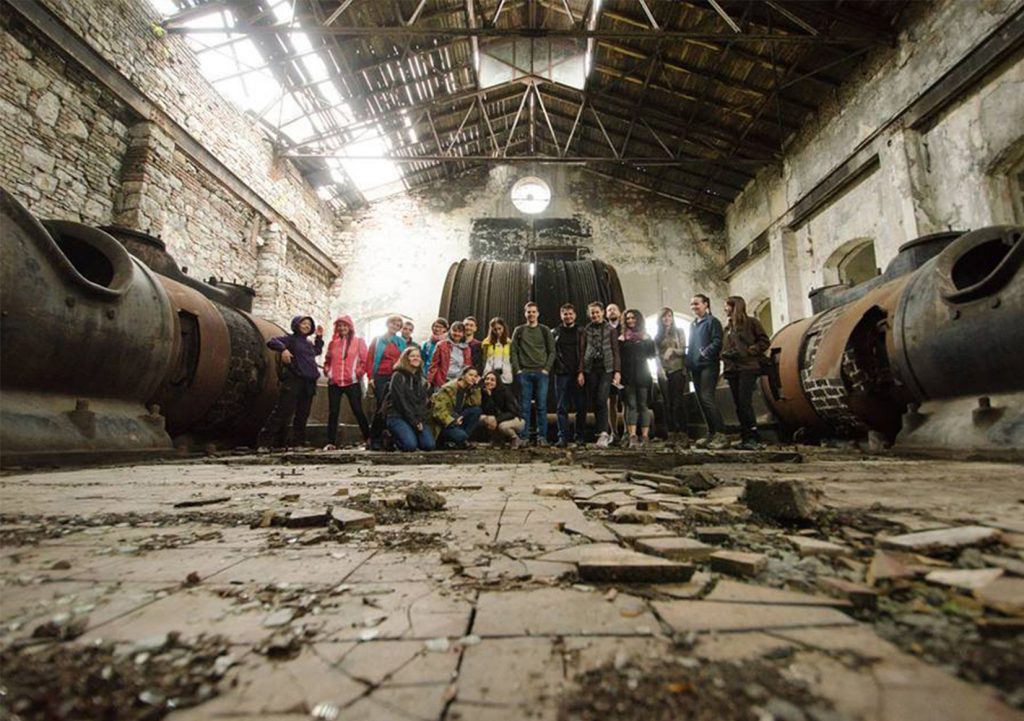
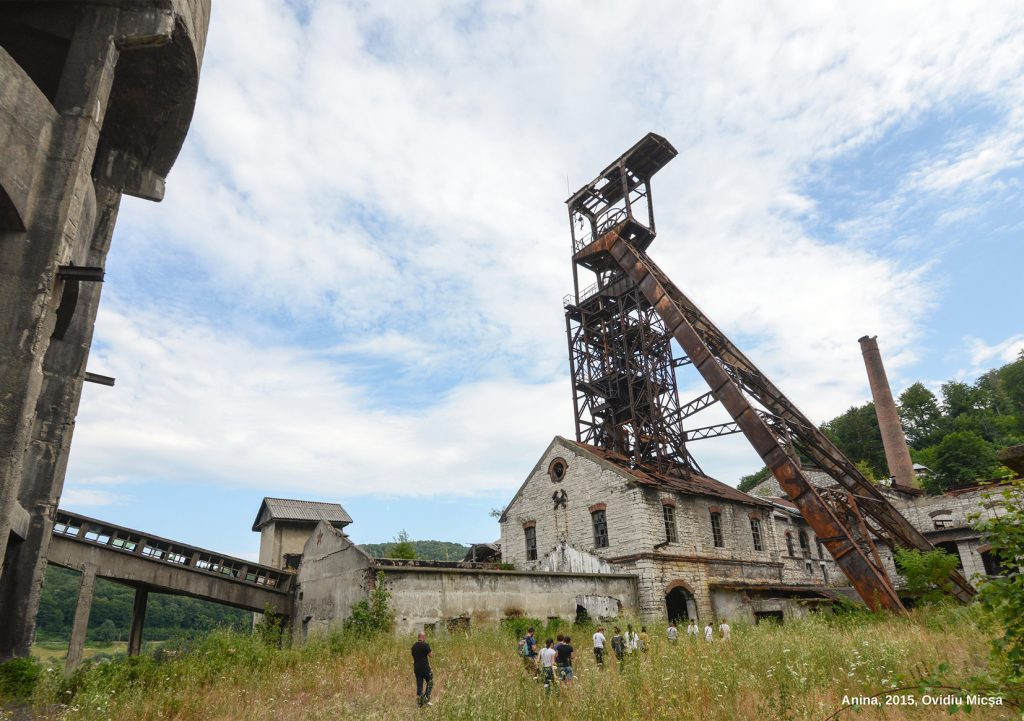
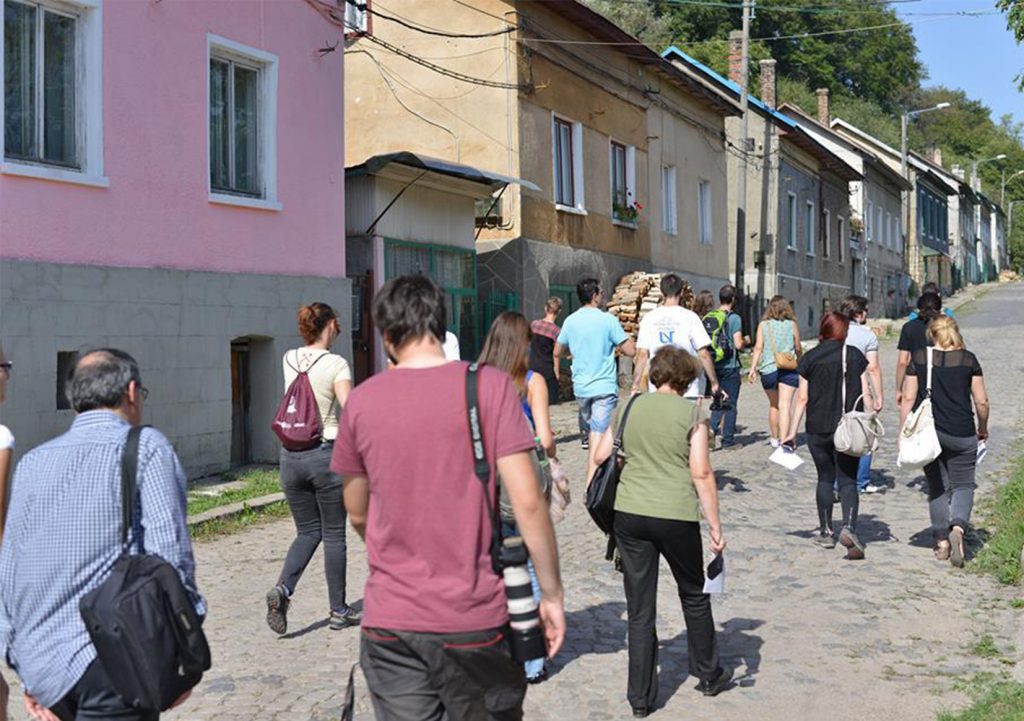
"Anina Mine of Ideas" is the title under which, from 2014 to 2017, "Alba Verde" Association and from 2018 Association for Active Heritage - PACT organizes a series of actions aimed for (re)discovering local identity, social and cultural life of the post-industrial city of Anina and for facilitating the economic regeneration. Anina is a reference point in the industrial history of Banat Montan. It is also known especially for the long-standing mining activity around which the settlement, community and urban life were structured and which was highly destabilized following the closure of the mine in 2007. #MdIA is a cultural project geared towards studying, protecting, preserving and enhancement of the industrial landscape of Anina, in the complexity of its tangible / intangible forms and indiscriminate manifestations of historical dating. For the first time in the Romanian context, the industrial landscape is approached as a self-contained organism from a variety of interdisciplinary perspectives resulting from the professional and personal belief of the authors, that the industrial landscape can become a driver of sustainable regeneration. #MdIA made a photographic inventory of Anina's industrial landscape, setting in time and space the transformation of this territory. Thus, photography and architecture were brought into dialogue, experimenting simultaneously with a subjective and objective approach of the heritage values. This contemporary photographic archive is made through a variety of shooting techniques for the first time in Romania: digital photography, Gigapan, traditional photographic cameras and alternative argentine techniques; becoming a real tool for analysing, knowledge, monitoring and awareness on an ever-changing industrial territory. Through the participation of an impressive number of specialists from Romania, Italy and Great Britain, the project activities focused on: 1. analysis and research of industrial landscape in Anina through industrial heritage workshops (2014-2016); 2. Dissemination of heritage values through public debates, guided tours of industrial architecture, publications, seminar presentations and conferences; 3. Cultural entrepreneurship at local community level through creative workshops; The development of the project has started to have a real impact on the community, as an example is the case of the Shaft I of Anina, which became the subject of a restoration and enhancement project as a Mining Museum.Text description of the author
The Project Anina Mine of Ideas was launched in 2014 and developed between 2014 and 2017 by the Alba Verde Cultural Association with the occasion of the development of the Anina Town Urbanistic General Plan. Since 2018, the project rules under the Association for the Active Heritage - PACT (set up in 2015 and aims to promote heritage so it becomes an activator of the local community). The team of Anina Mine of Ideas is composed by a larger number of specialists (intern and extern), a multidisciplinary team, for ensuring a complete understanding of the situation of a small post-industrial city such as Anina. Therefore, the team of the project is composed of architects completed in their approach by photographers, anthropologists, sociologists, geographers, archaeologists and urbanists. Throughout the four years of the project, the team has achieved results, among which the most important is being the education and responsibility of the community regarding to the importance of the industrial heritage.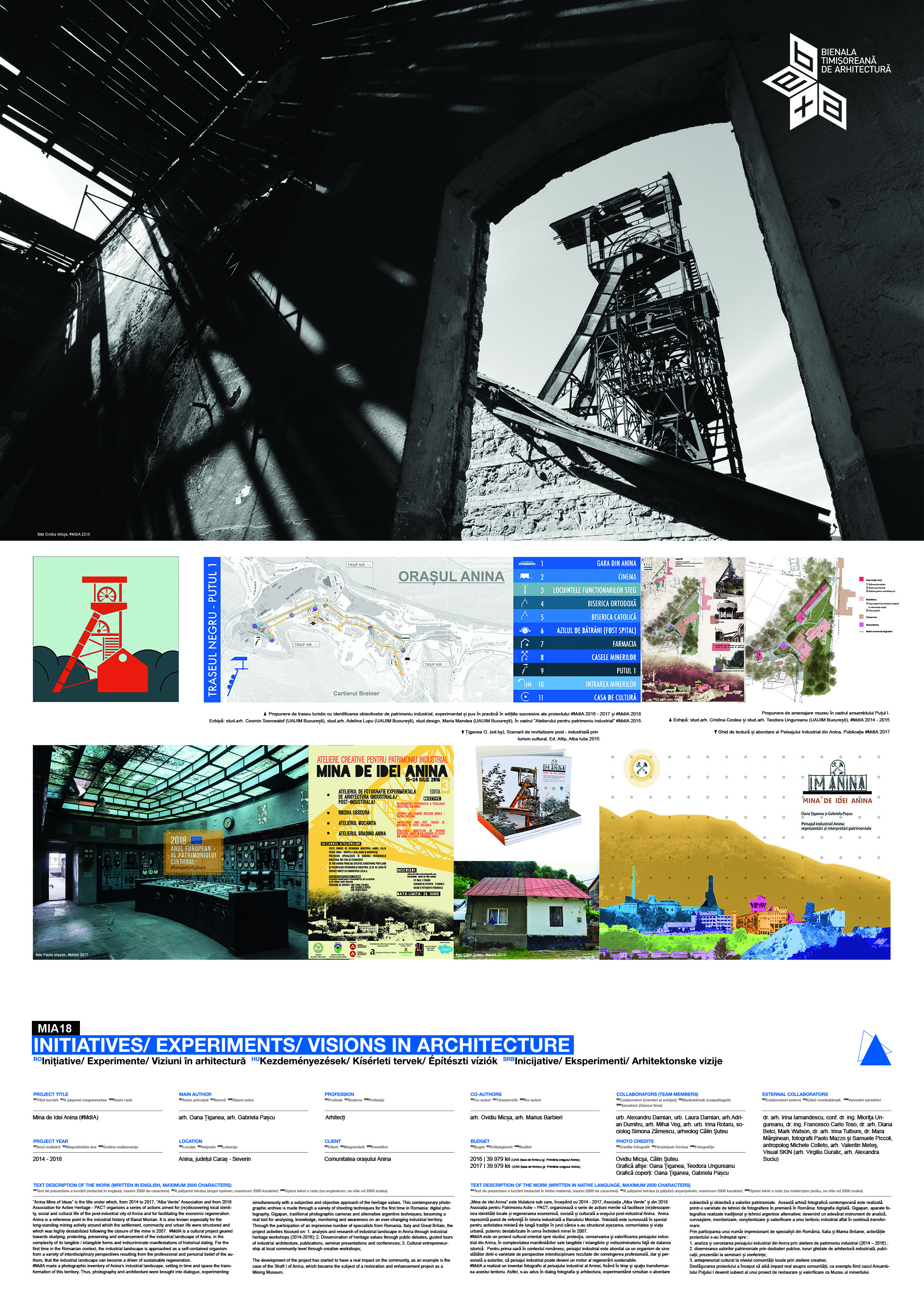
Download
Project